What to Do in Jeonju in Winter: 8 Indoor & Outdoor Activities
Jeonju in winter is colder and quieter than peak season, but the hanok village, food streets, and indoor cultural sites remain fully open and accessible. December through February brings temperatures between -5°C and 5°C, occasional snow, and far fewer crowds than spring or autumn. Most outdoor walking routes in the hanok village stay open, and the indoor museums, shrines, and restaurants offer warm alternatives when the wind picks up. This guide explains which activities work well in winter, what clothing and footwear you need, and how to structure a day or weekend visit when daylight hours are shorter and some outdoor attractions close early.

- Best winter activities
- Hanok village walking, bibimbap and street food tasting, indoor museums and shrines, makgeolli tastings, covered markets
- Typical winter temperature
- -5°C to 5°C (December to February); wind chill makes it feel colder in open areas
- Distance from Seoul
- Roughly 2.5-3 hours by KTX or express bus; check current fares on Korail.com or intercity bus apps
- Daylight hours
- Roughly 5:30pm sunset in December and January; plan indoor activities after 4pm
- Clothing essentials
- Insulated jacket, warm base layers, scarf, gloves, and slip-on shoes for hanok cafés and indoor sites
- Walking the hanok village in winter conditions
- Indoor cultural sites and museums
- Where and what to eat in winter
- Outdoor viewpoints and pavilions
- What to wear and what to bring
- How to structure a winter visit
- What does not work well in winter
- Comparing key Jeonju winter activities
- Practical tips
- Frequently asked questions
Walking the hanok village in winter conditions
Jeonju Hanok Village (전주한옥마을) is the city's main attraction and remains open year-round with no entry fee. The village contains roughly 800 traditional hanok houses, many converted into guesthouses, tea rooms, craft shops, and restaurants. In winter, the narrow lanes are walkable but can be icy after snow or overnight frost, so wear boots or shoes with good tread rather than smooth-soled sneakers. The stone and packed-earth paths are uneven in places, and few routes have handrails.
The core loop through the village takes about 90 minutes at a relaxed pace, including stops for photos and window shopping. Start near the tourist information center on Taejo-ro (태조로), walk south past the rows of hanok along Eunhaeng-ro (은행로), and loop back via the craft workshops and tea alleys. Most hanok cafés and rental hanbok shops open around 10am and close between 5pm and 6pm in winter, earlier than in summer, so plan morning and early afternoon for outdoor exploration.
Crowds thin dramatically in winter. You will often have entire alleys to yourself, which makes for better photos but also means fewer open food stalls along the smaller side streets. The main pedestrian routes and the area around Gyeonggijeon Shrine (경기전) stay lively, but the outer edges of the village can feel quiet and some seasonal vendors close for the off-season. Check whether specific craft workshops or small museums you want to visit have winter hours by searching their names on Naver Map (네이버 지도) before you walk out there.
Indoor cultural sites and museums
When outdoor walking becomes uncomfortable, Jeonju has several indoor cultural attractions within or near the hanok village. Gyeonggijeon Shrine (경기전) is the most historically significant: a Joseon-era shrine that houses a portrait of King Taejo, the dynasty's founder. Entry typically costs between 3,000 and 5,000 KRW; check the Jeonju city tourism website or the gate for current fees and winter opening hours. The shrine grounds include covered halls and a small museum, and the main courtyard is sheltered enough to visit comfortably even in cold weather. Expect to spend 30 to 45 minutes here.
The Jeonju Traditional Culture Center (전주전통문화관) and the Jeonju Hanok Living Experience Center (전주한옥생활체험관) offer exhibits on hanok architecture, traditional crafts, and regional history. Both are heated and suited to winter visits. Entry fees are usually low or free; confirm current details on Naver Map or at the hanok village information desk. These are not large museums, but they provide context for the hanok village and a warm place to rest.
Jeondong Cathedral (전동성당), located just outside the northwest edge of the hanok village, is a red-brick Romanesque church completed in 1914 and one of the oldest Catholic structures in Korea. It is open to visitors outside of Mass times, free to enter, and fully enclosed. The interior is visually striking and offers a contrast to the traditional Korean architecture nearby. Plan 20 to 30 minutes for a visit. Dress modestly and keep voices low, as it is an active place of worship.
For longer indoor time, consider the Jeonju Museum of Art (전주시립미술관) or the Jeonju National Museum (국립전주박물관), both outside the hanok village core but reachable by taxi or local bus. The national museum focuses on Joseon-era artifacts and Jeolla regional history, with strong English labeling. Entry is often free or low-cost; verify current admission and hours on the museum's official website before visiting.

Where and what to eat in winter
Jeonju is famous across Korea for its food, particularly Jeonju bibimbap (전주비빔밥), which uses more ingredients and higher-quality vegetables, sesame oil, and gochujang (고추장) than standard bibimbap served elsewhere. In winter, the warm rice and seasoned vegetables make it especially satisfying. Dozens of restaurants around the hanok village serve bibimbap; expect to pay roughly 10,000 to 15,000 KRW per bowl. Look for restaurants on Taejo-ro, Eunhaeng-ro, and the side streets just south of Gyeonggijeon. Most do not take reservations and operate on a walk-in basis; arrive before noon or after 1:30pm to avoid the lunch rush.
Kongnamul gukbap (콩나물국밥), a hot soup made with bean sprouts, rice, and a savory broth, is another Jeonju specialty and particularly popular in cold weather. It is filling, inexpensive (typically 7,000 to 10,000 KRW), and served with numerous banchan (반찬) side dishes. Restaurants specializing in kongnamul gukbap cluster near Nambu Market (남부시장) and along the streets just north of the hanok village core.
For street food, the covered sections of Nambu Market and the pedestrian alleys near the hanok village entrance have winter-friendly options: hotteok (호떡, sweet pancakes), tteokbokki (떡볶이, spicy rice cakes), sundae (순대, blood sausage), and odeng (오뎅, fish cake skewers). Many stalls close by 6pm or 7pm in winter, earlier than in warmer months, so plan your street-food tasting for mid-afternoon.
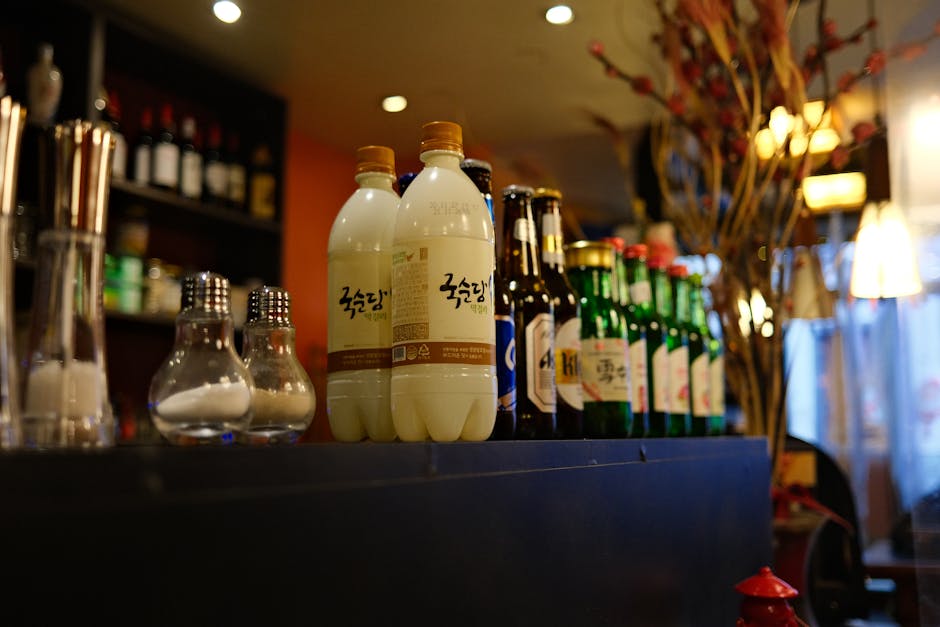
Makgeolli (막걸리), a lightly sparkling Korean rice wine, is a traditional pairing with Jeonju's savory dishes and is often served warm in winter. Several small makgeolli bars and tasting rooms operate in the hanok village and the nearby Jeonjuccheon (전주천) riverside area. Tastings typically include a flight of regional makgeolli styles plus simple snacks like pajeon (파전, green-onion pancakes) or dried fish.
Outdoor viewpoints and pavilions
Omokdae (오목대) and Imokdae (이목대) are two small pavilions on low hills just east of the hanok village, offering elevated views over the hanok rooftops and the city beyond. The walk from the hanok village core to Omokdae takes about 10 minutes, mostly uphill on paved paths and stone steps. The pavilions themselves are open-air wooden structures with no shelter from wind, so visits in winter are brief unless the weather is calm and sunny. The viewpoint is particularly photogenic in late afternoon light, but by mid-winter the sun sets before 5:30pm, so plan accordingly.
Imokdae sits on the opposite hill, a few minutes' walk south of Omokdae. The two pavilions are often visited together as a short loop. The views are similar, and the historical significance relates to the founding of the Joseon dynasty. Both sites are free to access, but there are no facilities, no warming huts, and limited signage in English. Use Naver Map or KakaoMap to navigate the footpaths, as Google Maps walking directions do not function reliably in Korea due to mapping-data export restrictions.
Jeonjuccheon (전주천), the stream that runs along the eastern edge of the hanok village, has a paved walking and cycling path that is fully exposed to wind. It is pleasant in spring and autumn but can be uncomfortably cold in winter, especially in the morning or evening. If you want a riverside walk, go midday when temperatures peak and consider it a quick extension of your hanok village route rather than a destination in itself.

What to wear and what to bring
Winter in Jeonju is dry and cold, with wind chill often making it feel several degrees colder than the actual air temperature. Layering is more effective than a single heavy coat: start with thermal or merino base layers, add a fleece or sweater, and finish with a windproof and water-resistant outer jacket. A scarf, gloves, and a warm hat make a significant difference, especially when walking the open sections of the hanok village or visiting the outdoor viewpoints.
Footwear needs to handle two conflicting requirements. Outside, you need warm, waterproof boots with good tread for icy or uneven paths. Inside hanok cafés, guesthouses, and some museums, you must remove your shoes at the entrance, Korean custom. Slip-on boots or shoes with easy fastenings save time and awkwardness. Bring or wear warm socks, as hanok floors can be cold even with underfloor heating, and you may be walking around in socks or provided slippers.
Many visitors underestimate how much time they will spend indoors. Hanok tea rooms, restaurants, and museums are heated, and after 30 minutes inside you will want to remove your outer layers. Carry a small daypack to store your jacket, scarf, and gloves so you are not carrying them by hand all afternoon. A portable battery pack is useful for keeping your phone warm and charged, as cold weather drains batteries faster and you will rely heavily on Naver Map or KakaoMap for navigation.
Cash is still widely used in smaller shops, market stalls, and some hanok cafés, though card payments are increasingly common. ATMs are available around the hanok village and near Nambu Market. Tipping is not customary anywhere in Korea, including restaurants, cafés, and taxis; the listed price is the final price, and leaving extra money can cause confusion or be refused.
How to structure a winter visit
Most travelers visit Jeonju as a day trip from Seoul or as an overnight stop while traveling south to Busan or west to Mokpo. A day trip is feasible but tight in winter due to shorter daylight and earlier closing times. If you leave Seoul on an early KTX or express bus (departure around 8am or 9am), you arrive in Jeonju between 10:30am and noon. That gives you roughly four to five hours of productive daylight for walking and sightseeing before venues start closing and the temperature drops sharply after sunset.
A practical winter day-trip itinerary might look like this: arrive late morning, walk directly to the hanok village, tour Gyeonggijeon Shrine and one or two other indoor sites, eat an early lunch (bibimbap or kongnamul gukbap), walk the main hanok alleys and visit Omokdae if weather permits, return to the central area for street food or a makgeolli tasting in mid-afternoon, then catch a return KTX or bus by 5pm or 6pm. This avoids the coldest evening hours and gets you back to Seoul by 8pm or 9pm.
An overnight stay gives you much more flexibility. You can arrive in the afternoon, enjoy dinner and evening exploration when the hanok village is quieter and some buildings are lit up, sleep in a hanok guesthouse (bring warm sleepwear, as traditional ondol heating may not be as warm as a modern hotel), and spend the next morning revisiting sites, shopping for crafts, or exploring markets before departing midday. Many hanok guesthouses offer breakfast or are located near early-opening bakeries and cafés.
Public transportation between Seoul and Jeonju is frequent and reliable. KTX trains from Seoul Station or Yongsan Station (용산역) to Jeonju Station (전주역) take roughly 2 to 2.5 hours; check current schedules and fares on Korail.com or the Korail Talk app. Express intercity buses from Seoul's Express Bus Terminal (고속버스터미널) to Jeonju Express Bus Terminal (전주고속버스터미널) take about 2.5 to 3 hours and are often slightly cheaper than KTX; check times and book tickets via apps like Kobus or T-money. From Jeonju Station or the bus terminal, local buses or taxis reach the hanok village in 15 to 20 minutes. Naver Map and KakaoMap both provide reliable public-transit routing and real-time bus locations.

What does not work well in winter
Some activities popular in warmer months are uncomfortable or impractical in Jeonju's winter. Renting a hanbok (한복, traditional Korean clothing) to wear while walking the hanok village is a common activity in spring, summer, and autumn, but hanbok are not insulated and offer little protection against cold and wind. Even with layers underneath, you will be uncomfortably cold outdoors in winter, and the bulky layers ruin the hanbok's silhouette. If you want photos in hanbok, choose an indoor studio experience rather than outdoor wear, or save the rental for a warmer-season visit.
Bicycle rentals are available along Jeonjuccheon and near the hanok village, but cycling in winter is unpleasant due to wind, cold handlebars, and the risk of ice on paths. Walking is slower but much more comfortable and allows you to duck into cafés and shops to warm up.
The Jaman Mural Village (자만벽화마을) and other outlying neighborhoods with street art and hilltop viewpoints are interesting but require extended outdoor walking in exposed areas. These are better saved for spring or autumn when you can explore at a relaxed pace without battling cold and short daylight.
Some seasonal festivals and night markets that operate in summer and autumn do not run in winter, or run on reduced schedules. Check the Jeonju city tourism website or call the hanok village information center before planning a visit around a specific event. The hanok village itself, the major museums and shrines, and the food scene operate year-round and are not affected by seasonal closures, but smaller craft workshops and pop-up vendors may take winter breaks.
Comparing key Jeonju winter activities
| Activity | Indoor / Outdoor | Typical duration | Approximate cost |
|---|---|---|---|
| Hanok village walking tour | Mostly outdoor | 1.5-2 hours | Free (walking only) |
| Gyeonggijeon Shrine visit | Mixed (courtyard & halls) | 30-45 minutes | 3,000-5,000 KRW entry |
| Jeonju bibimbap lunch | Indoor | 45-60 minutes | 10,000-15,000 KRW per person |
| Nambu Market street food tasting | Covered outdoor stalls | 30-60 minutes | 5,000-12,000 KRW depending on items |
| Omokdae viewpoint walk | Outdoor | 20-30 minutes round trip | Free |
| Makgeolli tasting room | Indoor | 45-90 minutes | 15,000-25,000 KRW per person with food |
Practical tips
Frequently asked questions
Before you go
Jeonju in winter rewards travelers who prioritize food, indoor culture, and quieter exploration over outdoor festival scenes and long nature walks. The hanok village, bibimbap restaurants, covered markets, and museums operate year-round, and the drop in tourist numbers makes for a more authentic, less rushed experience. Dress warmly in layers, plan your schedule around shorter daylight, and structure your day with a mix of indoor and outdoor activities so you can warm up between sightseeing bursts. Whether you visit as a day trip or overnight, focus on what Jeonju does best: traditional food, preserved architecture, and accessible regional history, all available regardless of season.
Taking a break from trip planning? Try a free 2-minute personality quiz at Quirkly.


Comments
Post a Comment