What to Wear in Korea in November: Layer Guide for 2025
November in Korea sits firmly in late autumn, with daytime temperatures typically ranging from 5°C to 15°C and dropping to near freezing overnight, especially toward the end of the month. You will need layered clothing with a proper winter jacket, comfortable closed-toe shoes for extensive walking, and accessories for cold mornings and evenings. The weather is generally dry with occasional rain, and indoor heating is strong everywhere. After reading this guide, you will know exactly which items to pack, how Koreans dress during this season, what to avoid bringing, and how to adjust your wardrobe for different regions and activities across the country.

- Temperature range
- 5-15°C daytime in Seoul, dropping to 0-5°C at night; Busan 2-3°C warmer, mountainous areas colder
- Essential items
- Warm jacket or coat, long trousers, layering pieces, closed walking shoes, scarf and hat for evenings
- Weather pattern
- Mostly dry and sunny with low humidity; occasional rain or early snow toward month-end in the north
- Indoor climate
- Heated to 20-23°C in all buildings, cafes, restaurants and transport; easy to remove and carry layers
- Local dress style
- Practical layering, dark neutrals, long coats, minimal shorts or sandals; dress shoes common indoors
- Understanding November weather across Korea
- Core clothing items to pack
- Accessories and weather protection
- How Koreans dress in November and blending in
- Regional differences and activity-specific clothing
- What not to pack and common mistakes
- Practical clothing tips for daily sightseeing
- November packing list by clothing category
- Practical tips
- Frequently asked questions
Understanding November weather across Korea
November marks the transition from autumn into early winter throughout South Korea. In Seoul, average daytime highs sit around 10-12°C in early November and drop closer to 5-8°C by the end of the month, with nighttime lows frequently touching 0°C or just below. Busan and the southern coast remain milder, typically 2-3°C warmer throughout the day, while mountainous regions such as Gangwon-do and higher-elevation areas near Seoraksan (설악산) can experience sub-zero temperatures even during daylight hours.
Rainfall is relatively low in November compared to the summer monsoon season, but occasional showers do occur, and late in the month, northern regions may see the season's first light snowfall. The air is notably dry, with humidity often dropping below 40 percent, which affects both comfort and what fabrics work best. Wind chill is a real factor, especially in open areas along the Han River (한강) in Seoul, coastal promenades in Busan, and exposed hilltop sites.
Sunrise occurs around 7:00-7:15 AM and sunset around 5:15-5:30 PM by late November, so evenings feel colder and longer. If your itinerary includes outdoor activities after 4:00 PM or early-morning temple visits, plan for temperatures that feel significantly colder than the forecast high. Indoor spaces—subways, cafes, museums, shopping malls and restaurants—maintain steady heating at 20-23°C, so you will be removing and carrying outer layers constantly throughout the day.
Core clothing items to pack
Your November wardrobe for Korea should centre on layering. Start with a warm jacket or coat that can handle temperatures down to 0°C; a mid-weight down jacket, insulated parka or wool-blend coat all work well. Koreans tend to wear longer coats that fall to mid-thigh or knee, both for warmth and style, so a short puffer jacket will not look out of place but a longer option is more versatile.
Pack long trousers exclusively. Jeans are the most common choice among both locals and tourists, but chinos, travel trousers or thick leggings also work. Shorts are essentially absent in November except in gyms, and even on milder days in Busan you will stand out. Bring at least three pairs of trousers if your trip spans a week or more, as laundry turnaround in hostels and budget hotels is not always fast.
For tops, layering pieces are essential: long-sleeve T-shirts, lightweight jumpers, cardigans and hoodies allow you to adjust for indoor heating and outdoor cold. Koreans often wear a T-shirt, a thin knit or fleece mid-layer, and a coat, removing the coat indoors and sometimes the mid-layer in warmer cafes. Avoid bulky single-layer jumpers that cannot be taken off without leaving you in short sleeves.
Footwear matters enormously because Korea involves extensive walking, subway stairs and uneven surfaces at palaces, markets and hiking trails. Comfortable closed-toe shoes—trainers, walking shoes or weatherproof boots—are non-negotiable. Sandals, flip-flops and open-toed shoes are culturally out of season and impractical in the cold. If you plan to hike, even on easy trails, bring shoes with grip; late autumn trails can be muddy or icy in the mornings. Remember that you will remove your shoes frequently when entering homes, hanok guesthouses, some traditional restaurants, temple halls and certain cafes, so shoes that slip on and off easily save time and awkwardness.

Accessories and weather protection
A scarf is one of the most useful items you can pack for November in Korea. It adds warmth without bulk, protects your neck from wind chill, and can be removed and stuffed into a bag the moment you step into a heated subway car. Locals wear scarves extensively from early November onward, so you will blend in and stay warmer.
A beanie, knit hat or other head covering is advisable for early mornings, evenings and any outdoor activity lasting more than an hour. Your body loses significant heat through your head, and exposed ears become uncomfortable quickly in wind. Hats are common and practical; baseball caps are less common in November because they offer no warmth.
Gloves are optional for early November but recommended for the latter half of the month, particularly if you are visiting Seoul, where the urban wind chill along the river and open plazas can be biting. Lightweight gloves that fit in a pocket are sufficient; you will be taking them on and off frequently for using your phone, paying with a card or transport pass, and eating street food.
An umbrella is worth packing or buying upon arrival. November rain is infrequent but unpredictable, and convenience stores sell compact umbrellas for roughly 3,000-5,000 KRW (approximately 2-4 USD at the August 2026 exchange rate of around 1,410 KRW per USD, though you should check a live rate before your trip). Waterproof or water-resistant shoes are a bonus if rain is forecast, but not essential given how much time you spend indoors.
Sunglasses and sunscreen are often overlooked in November but still relevant. The air is clear, UV levels remain moderate, and you will spend hours walking outdoors. Koreans are diligent about sun protection year-round, and you will find sunscreen in every convenience store if you forget yours.
How Koreans dress in November and blending in
Korean fashion in November leans toward layered, neutral-toned and practical clothing. You will see long coats in black, grey, beige and navy; slim or straight-leg trousers; and minimalist trainers or ankle boots. Bright colours and loud patterns are less common in autumn and winter streetwear, though younger crowds in neighbourhoods like Hongdae (홍대) and Itaewon (이태원) show more variety.
Women commonly wear long padded coats, knit dresses over thick tights or leggings, ankle boots, and crossbody bags. Skirts and dresses are still worn but almost always paired with opaque tights and boots. Men typically wear bomber jackets, parkas or wool coats over hoodies or jumpers, with jeans or chinos and trainers. Oversized fits are popular, but clothing is neat and well-maintained; visibly worn or stained garments stand out.
Athletic wear is reserved for the gym, hiking trails or early-morning exercise along the river. Wearing gym leggings, running shorts or sports tops in cafes, restaurants or shopping districts will draw attention. If you plan to hike, change into your trail clothing at the trailhead or in a public restroom, and change back before returning to the city.
Shoes are always removed at the entrance to homes, hanok stays, many traditional Korean restaurants, some guesthouses, temple halls where you sit on the floor, and occasionally in modern cafes with raised seating areas. Wear clean socks without holes; this is not a minor detail, as your socks will be visible to everyone around you. Koreans often carry indoor slippers in bags when visiting friends, and some restaurants provide slippers, but tourists are not expected to bring their own unless staying in a long-term rental.
Accessorising is restrained. Jewellery is subtle, bags are functional, and flashy logos are less common than in some Western cities. A small crossbody bag or backpack is practical for carrying layers you remove indoors, your T-money card (티머니 카드), phone, water and any purchases.

Regional differences and activity-specific clothing
Seoul and the central region experience the coldest November conditions. If your itinerary includes early-morning palace visits, walking along Cheonggyecheon Stream (청계천) at night, or evenings in outdoor markets like Gwangjang Market (광장시장), bring your warmest layers. The subway system is heated, but platforms can be draughty, and waiting for trains in outer-line stations can feel colder than street level.
Busan and the southern coast are noticeably milder. Daytime temperatures in Busan often reach 13-16°C in early November, and the coastal breeze is less harsh than Seoul's inland wind. You can often get by with a lighter jacket during the day, though evenings still require a proper coat. Jeju Island (제주도) is the warmest major destination, with November highs around 15-17°C, but it is also the wettest, so pack a waterproof layer if Jeju is on your itinerary.
Mountainous areas and national parks, including Seoraksan, Jirisan (지리산) and Bukhansan (북한산), require proper hiking gear. Temperatures drop roughly 0.6°C per 100 metres of elevation gain, so summits can be near or below freezing even when base areas are mild. Bring moisture-wicking base layers, an insulating mid-layer, a windproof outer shell, gloves, a warm hat and sturdy hiking boots with ankle support. Trails can be crowded on weekends, and many hikers wear technical gear; casual trainers and cotton hoodies are inadequate for longer routes.
If you plan to visit a jjimjilbang (찜질방, Korean spa and bathhouse), you will not need any special clothing; these facilities provide shorts and T-shirts for communal areas and require full nudity in gender-separated bathing zones. Bring a small towel if you prefer your own, but rental is included in the entry fee, which typically ranges from 10,000 to 15,000 KRW depending on the facility and location.
For temple stays or visits to active Buddhist temples, dress modestly: covered shoulders and knees are expected, and shoes come off before entering halls. Layering is helpful because temple buildings are often unheated or minimally heated, even in November.
What not to pack and common mistakes
Avoid packing clothing suited for warm weather. Shorts, T-shirts alone, sandals, flip-flops and summer dresses will leave you cold and visibly out of step with the season. Even if a forecast shows a mild day, November mornings and evenings are consistently cold, and you will regret not bringing long trousers and closed shoes.
Skip heavy, single-layer jumpers or sweatshirts that cannot be removed without leaving you in short sleeves. Korean buildings are heated aggressively, and you will overheat indoors if you cannot adjust your layers. A thick hoodie over a T-shirt is workable; a chunky knit jumper as your only upper-body layer is not.
Do not rely on a light spring jacket or rain shell as your primary outerwear. November in Korea requires insulation, not just wind or water resistance. A packable down jacket or insulated coat is the minimum; a shell alone will not keep you warm.
Leave formalwear at home unless you have a specific business meeting or event. Korea's tourism infrastructure is casual, and even nice restaurants rarely enforce dress codes beyond 'no beachwear'. A clean pair of jeans, a collared shirt or blouse, and neat shoes are sufficient for any situation a tourist is likely to encounter.
Do not assume you can buy everything on arrival to save packing space. While Seoul and Busan have extensive shopping, sizing can differ—Korean clothing brands often run smaller than Western sizing, particularly in the shoulders, chest and hips—and spending your first day hunting for a coat or boots wastes time and money. International brands like Uniqlo, Zara and H&M are widely available and use more familiar sizing, but prices are comparable to or higher than in Western countries.
Finally, do not overpack. You will be moving between accommodations, navigating subway stairs without escalators, and storing luggage in small guesthouse rooms or hostel lockers. A carry-on bag or 50-60 litre backpack is manageable; a large checked suitcase becomes a burden, especially outside Seoul.
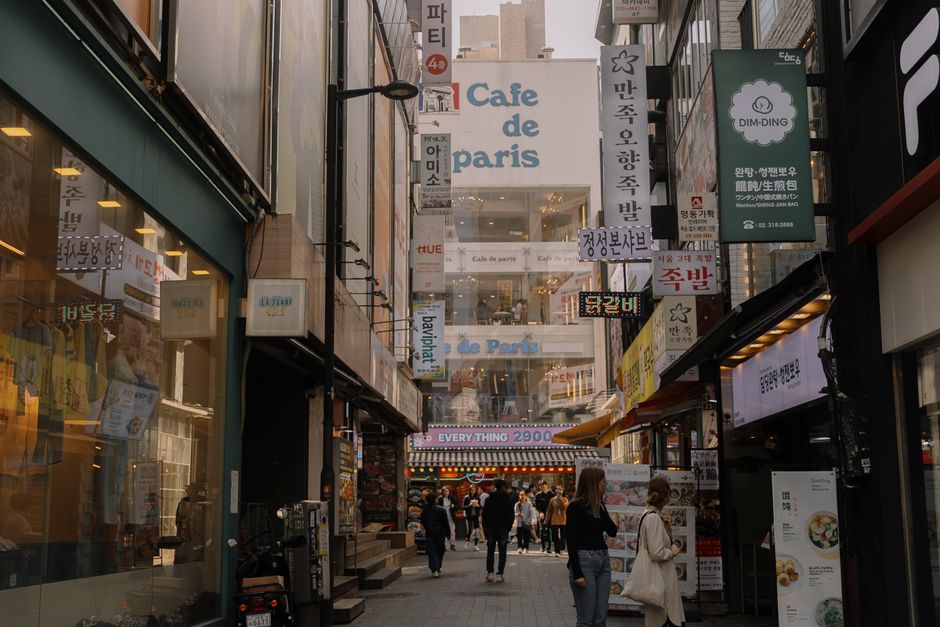
Practical clothing tips for daily sightseeing
Plan your outfit around the likelihood of removing and carrying your coat multiple times per day. A lightweight down jacket or coat that compresses into a bag is ideal for this. Avoid long wool coats unless you are comfortable draping them over your arm in cafes and restaurants, as coat hooks and storage space are not universal.
Wear or carry a small bag for essentials, including your T-money card, phone, wallet, water bottle and any layers you remove. Crossbody bags and small backpacks are most practical; large tote bags are cumbersome on crowded subway trains, and leaving bags unattended while removing shoes or sitting on floor cushions in restaurants is awkward.
Dress in the morning for the coldest part of your planned day, not the warmest. If you are heading out at 8:00 AM for a palace visit and will not return to your accommodation until evening, wear your full warm outfit and remove layers as needed. Under-dressing in the morning means carrying extra clothing all day or being cold during outdoor activities.
If your itinerary includes both outdoor sightseeing and indoor museums or shopping, prioritise comfortable shoes over style. You may walk 15,000-20,000 steps per day in Seoul alone, and blisters or sore feet will derail your plans. Break in new shoes before your trip, and consider bringing blister plasters in your day bag.
Check the weather forecast on Naver (네이버) or KakaoMap (카카오맵) each morning, as both provide more accurate local forecasts than international weather apps. Google Maps works for transit directions in Korea but does not provide walking or driving directions due to mapping-data export restrictions, so download Naver Map or KakaoMap before you arrive; both have English interfaces and show real-time conditions.

November packing list by clothing category
| Category | Essential items | Optional or activity-specific |
|---|---|---|
| Outerwear | Warm jacket or coat (down, insulated or wool-blend) | Waterproof shell, fleece jacket for hiking |
| Tops | 3-4 long-sleeve T-shirts or base layers, 2-3 jumpers or cardigans | Collared shirt or blouse for dining, hoodie |
| Bottoms | 3-4 pairs long trousers (jeans, chinos, leggings) | Hiking trousers, thermal leggings as base layer |
| Footwear | Comfortable closed-toe walking shoes or trainers | Hiking boots, waterproof shoes if rain forecast |
| Accessories | Scarf, beanie or knit hat, gloves | Sunglasses, compact umbrella, face mask |
| Undergarments | Clean socks without holes (visible when shoes removed), thermal base layers | Sleepwear, swimwear for jjimjilbang visit |
Practical tips
Frequently asked questions
Before you go
November in Korea requires you to pack as if visiting a cold-weather destination, not a mild autumn one. Bring a warm insulated coat, long trousers, layering pieces that you can remove indoors, comfortable closed-toe walking shoes, and accessories like a scarf, hat and gloves for the latter half of the month. Indoor spaces are heavily heated, so your clothing system must allow you to adjust easily and carry layers without burden. If you pack for temperatures between 0°C and 15°C with the ability to layer up or down, you will be comfortable throughout the day, blend in with local dress, and avoid the distraction of being too cold or too warm while exploring the country.


Comments
Post a Comment