Can I Use Discover Card in Korea? Acceptance & Alternatives
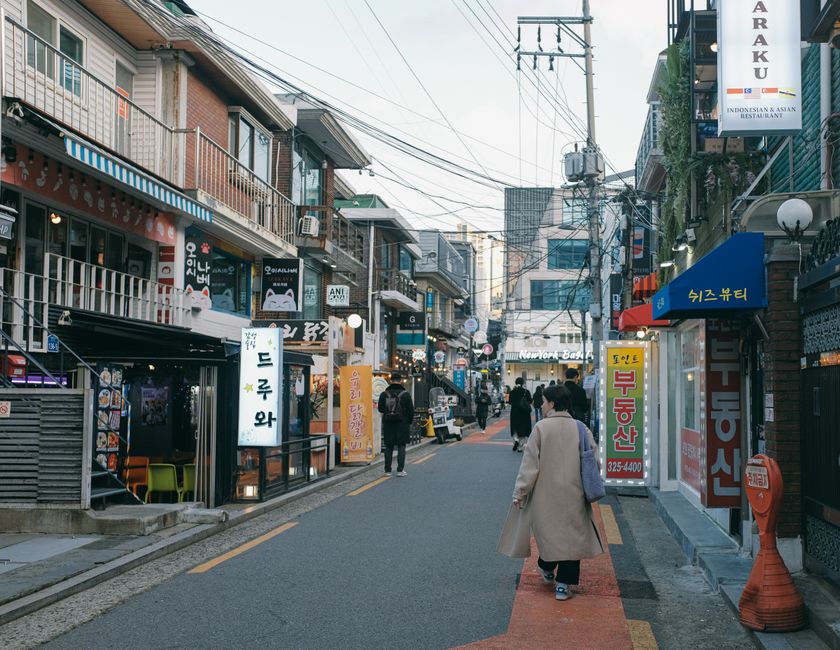
Discover Card is almost never accepted in South Korea. The card runs on the Discover network and partners with Diners Club International and China UnionPay, but very few Korean merchants honor any of these networks. Visa and Mastercard dominate the market, and even American Express acceptance is spotty outside major hotels and department stores. If Discover is your primary card, you will need a backup payment method for most purchases, from subway fares to restaurant meals. This guide explains exactly where Discover might work, which cards to bring instead, how to access cash without steep fees, and how South Korea's payment culture differs from what North American and European travellers expect.
- Discover acceptance
- Extremely limited. A few luxury hotels and some airport shops; rarely works at restaurants, convenience stores or transport.
- Best backup cards
- Visa and Mastercard credit or debit cards are widely accepted. American Express works at major chains only.
- Cash still essential
- Needed for street markets, small restaurants, taxis in rural areas, temple donations and some buses.
- ATM withdrawal fees
- Korean ATMs typically charge 3,500-5,000 KRW per withdrawal; your home bank may add 1-3% foreign transaction fees.
- Contactless payment
- Most Koreans use Samsung Pay, Kakao Pay or Naver Pay; foreign cards work at NFC terminals if your card supports it.
- Currency
- Korean won (KRW). Around 1,410 KRW to 1 USD in August 2026; check a live rate before your trip.
- Why Discover Card does not work in most of Korea
- Which credit and debit cards work reliably in Korea
- Using ATMs to withdraw Korean won
- How much cash you actually need in Korea
- Mobile payment apps and foreign traveller access
- Currency exchange and avoiding bad rates
- Practical payment tips for first-time visitors
- Payment card acceptance by merchant type in South Korea
- Practical tips
- Frequently asked questions
Why Discover Card does not work in most of Korea
Discover Card operates primarily in the United States and has international acceptance through partnerships with Diners Club International and China UnionPay. In South Korea, merchant adoption of these networks is minimal. The Korean payment infrastructure is built around Visa, Mastercard and domestic networks like BC Card. Most point-of-sale terminals do not recognize Discover, Diners Club or UnionPay logos, and cashiers are unfamiliar with processing them. Even when a terminal technically supports the network, staff training gaps mean the transaction often fails or is declined at the register.
The handful of places that do accept Discover are almost exclusively high-end hotels catering to international business travellers, duty-free shops at Incheon International Airport (인천국제공항), and a few luxury department stores in Seoul such as Shinsegae (신세계) or Lotte. These establishments process enough international cards to maintain multi-network terminals. However, this represents a tiny fraction of the places you will spend money during a trip: local restaurants, convenience stores like GS25 (GS25) or CU (CU), subway ticket machines, intercity bus terminals, traditional markets, cafes, and most retail shops will not accept Discover.
If you attempt to use Discover at a typical Korean merchant, the card will either be declined outright, or the cashier will politely indicate that only Visa or Mastercard is accepted. Carrying Discover as your sole payment card is not viable for independent travel in South Korea. You will need at least one Visa or Mastercard credit or debit card, plus a reasonable amount of cash in Korean won for daily expenses.
Which credit and debit cards work reliably in Korea
Visa and Mastercard are the two networks with near-universal acceptance across South Korea. Both credit and debit cards bearing these logos will work at the vast majority of card terminals, including restaurants, hotels, convenience stores, department stores, online booking platforms and most transit ticket machines. If you are choosing which card to bring, prioritize Visa or Mastercard over any other network.
American Express has limited but growing acceptance, primarily at chain hotels, major department stores, some international restaurant franchises, and tourist-oriented businesses in Seoul and Busan. Smaller independent restaurants, neighborhood shops, traditional markets and rural guesthouses rarely accept Amex. If American Express is your only backup, you will still encounter frequent situations where it does not work, particularly outside the capital.
Chip-and-PIN is standard in South Korea. Most terminals expect you to insert your card and enter a PIN rather than sign a receipt. North American travellers with chip-and-signature cards may encounter confusion, though many terminals will print a signature slip if PIN entry fails. Contactless NFC payments work at most modern terminals if your card supports tap-to-pay, and this is often faster than inserting the chip. However, not all small merchants have upgraded to NFC-enabled readers.
Debit cards work as reliably as credit cards for purchases, but be aware of foreign transaction fees. Many US and Canadian banks charge 1-3% on every debit card purchase abroad, plus a flat ATM withdrawal fee. Check your card's fee schedule before the trip and consider opening a no-foreign-transaction-fee account if you plan to use your debit card frequently for purchases rather than just ATM withdrawals.

Using ATMs to withdraw Korean won
ATMs are the most reliable way to obtain Korean won if your payment cards have limited acceptance. Most ATMs in South Korea accept foreign Visa, Mastercard, Maestro and Cirrus cards for cash withdrawals. Look for machines that display the logos of international networks, typically found at convenience stores, subway stations, banks and airports. The ATM screen language can be switched to English, and instructions are straightforward.
Korean ATMs charge a withdrawal fee, usually in the range of 3,500 to 5,000 KRW per transaction, regardless of the amount you withdraw. Your home bank may add its own foreign ATM fee and a foreign transaction fee percentage, so a single withdrawal can cost you the equivalent of 5 to 10 USD in combined fees. To minimize costs, withdraw larger amounts less frequently rather than making multiple small withdrawals.
Convenience store ATMs are the most accessible option. Every GS25, CU, 7-Eleven and Emart24 (이마트24) location has an ATM that accepts foreign cards, and these stores are open 24 hours in most urban areas. Bank-operated ATMs, such as those from Woori Bank (우리은행), Shinhan Bank (신한은행) and KB Kookmin Bank (KB국민은행), also accept international cards during and outside business hours. Airport ATMs at Incheon and Gimpo (김포국제공항) are convenient for arrival-day withdrawals, though exchange-rate markups are sometimes slightly higher.
Be cautious about daily withdrawal limits. Many foreign debit cards have a default limit of 300 to 500 USD equivalent per day, which may not be sufficient if you are paying for group accommodation or multi-day transport passes in cash. Contact your bank before departure to confirm or raise your daily limit, and notify them of your travel dates to prevent fraud blocks that trigger when a card is used abroad unexpectedly.
How much cash you actually need in Korea
South Korea is increasingly cashless in cities, but cash remains necessary in specific situations. Street food vendors at traditional markets like Gwangjang Market (광장시장) in Seoul or Jagalchi Market (자갈치시장) in Busan often accept only cash, as do small family-run restaurants, older taxis without card readers, temple entrance donations, public bathhouses, and some intercity and rural bus routes. In Seoul and other major cities, card acceptance is high enough that you can go days using only a card, but outside urban centers or in traditional settings, cash is expected.
A reasonable starting amount is 100,000 to 200,000 KRW in cash for a week-long trip, roughly 70 to 140 USD at the August 2026 approximate exchange rate of 1,410 KRW per USD. This covers market snacks, small purchases, tips for situations where you need change, and backup funds if a card terminal fails. You can always withdraw more from convenience store ATMs as needed, so there is no need to carry large sums.
Restaurants and cafes in cities almost always accept cards, even for small amounts. There is no minimum purchase requirement for card payments in South Korea, and using a card for a 3,000 KRW coffee is normal. However, some very small neighborhood eateries, particularly those run by elderly owners, prefer cash and may not have a card terminal at all. If you are dining in a side-street restaurant with handwritten menus and plastic stools, have cash ready.
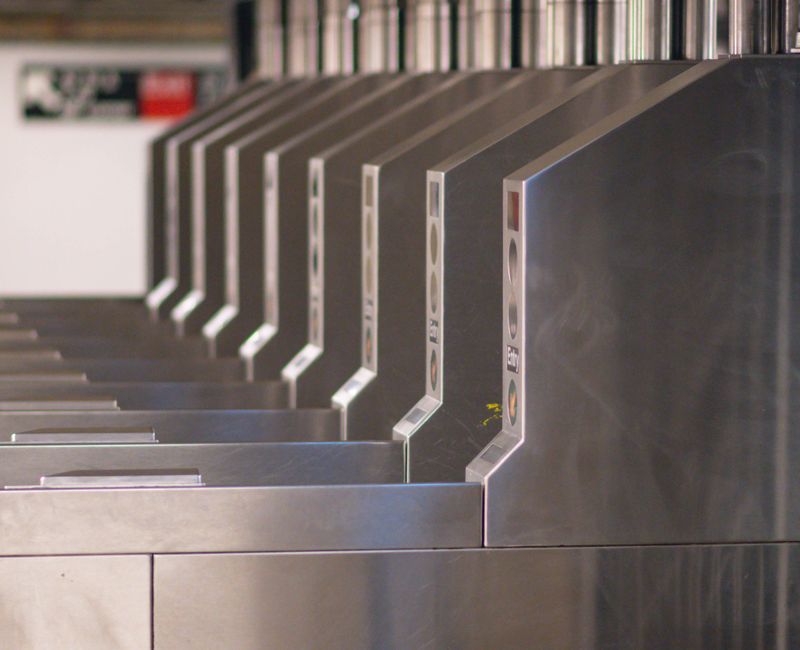
Public transport in cities is card-based but does not require a credit card. You will use a T-money (티머니) or Cashbee (캐시비) prepaid transit card, which you load with cash or a credit card at convenience stores or subway station machines. The cards themselves cost roughly 2,500 to 4,000 KRW to purchase, and you top them up as needed. Seoul subway base fare is 1,550 KRW with a transport card. Once you have a loaded T-money card, you do not need cash or a credit card for subway, bus or even some taxis that accept T-money payments.
Mobile payment apps and foreign traveller access
Most South Koreans pay using mobile apps like Samsung Pay, Kakao Pay (카카오페이) or Naver Pay (네이버페이) rather than physical cards. These apps link to Korean bank accounts or credit cards and generate QR codes or NFC tokens for payment. However, all three require a Korean bank account or a Korean-issued credit card to set up, which foreign short-term visitors cannot obtain without residency. As a tourist, you will not be able to use these domestic mobile payment systems.
If your foreign Visa or Mastercard supports Apple Pay, Google Pay or Samsung Pay through your home bank, you can use it at NFC-enabled terminals in South Korea just as you would tap a physical card. This works seamlessly at convenience stores, chain restaurants, department stores and subway ticket machines with contactless readers. The terminal does not care whether the NFC signal comes from a phone or a plastic card. However, older or rural merchants may still use swipe or chip-only terminals that do not support contactless payments, so always carry your physical card as backup.
Kakao Pay and Naver Pay are increasingly used for online purchases, restaurant reservations and even some vending machines, but none of these services are accessible without a Korean phone number and identity verification tied to a Korean financial institution. If you are booking train tickets on the Korail website or reserving a restaurant online, you will need to use an international credit card payment option rather than a domestic mobile wallet.
Currency exchange and avoiding bad rates
Exchanging currency in South Korea gives better rates than exchanging before departure in most Western countries. Avoid airport currency exchange counters at your home airport; they offer the worst rates and highest fees. Instead, withdraw Korean won from an ATM on arrival at Incheon or Gimpo airport using your debit card, or exchange a small amount at the airport for immediate expenses and then exchange the rest at a better-rate location in the city.
In Seoul, the best exchange rates are found at licensed private exchange booths in areas like Myeongdong (명동), Itaewon (이태원) and Namdaemun Market (남대문시장). These small storefront operations compete on rate and often beat bank counters by 10 to 30 won per dollar. They are legal, licensed by the government, and display their rates openly. Bring US dollars, euros, British pounds or other major currencies in clean, undamaged high-denomination bills; rates for smaller bills or worn notes are worse. You will need to show your passport to exchange currency.
Bank branches such as Shinhan, Woori and KB Kookmin also exchange currency at transparent posted rates, though slightly less favorable than private booths. Banks are a good option if you prefer the reassurance of a formal institution or are exchanging outside Seoul where private exchange options are scarce. Hotel front desks will exchange money but offer poor rates and should be used only in emergencies.
The approximate exchange rate in August 2026 is around 1,410 KRW to 1 USD, but this fluctuates daily. Always check a live rate on a site like XE.com or Google Finance before exchanging to know whether the rate you are being offered is reasonable. A difference of 20 to 50 won per dollar is normal between the interbank rate and the retail rate you receive.

Practical payment tips for first-time visitors
South Korea does not have a tipping culture. Do not leave cash on the table at restaurants, in taxis or for hotel housekeeping. Service charges are included in the listed price, and leaving extra money will confuse staff or prompt them to chase you down to return it. This is true at every service level, from street food stalls to five-star hotels. The total on the menu or meter is the amount you pay, and rounding up or adding a tip is unnecessary and culturally awkward.
Many small and mid-sized restaurants do not accept reservations and operate on a first-come, first-served basis. You may also encounter restaurants that are cash-only, particularly older establishments or those in traditional markets. If you see a line of locals waiting outside a small restaurant with no English signage, it is likely cash-only and does not take reservations. Have cash ready and be prepared to wait or share a table during peak meal times.
When paying with a card, the terminal will often be handed to you rather than processed behind a counter. You insert or tap your card yourself, enter your PIN if required, and hand the terminal back. Receipts are offered but not always automatically printed; if you need one for expense tracking, say 'yeongsujeung juseyo' (영수증 주세요) or gesture writing on paper. Some restaurants bring a portable wireless terminal to your table, while others expect you to pay at a counter near the entrance when leaving.
Card terminals at convenience stores and chain restaurants are fast and cashiers expect card payments for even very small amounts. Do not feel awkward using a card to buy a single 1,500 KRW bottle of water. However, traditional markets and street food vendors expect cash, so always have a few ten-thousand-won notes and some coins when visiting places like Gwangjang Market, Tongin Market (통인시장) or Jagalchi Market. These vendors rarely have card readers and often do not give change for large bills, so breaking a 50,000 KRW note at a convenience store beforehand is wise.

Payment card acceptance by merchant type in South Korea
| Merchant type | Visa / Mastercard | Discover / Diners | American Express |
|---|---|---|---|
| Convenience stores (GS25, CU, 7-Eleven) | Widely accepted | Rarely accepted | Sometimes accepted at chains |
| Restaurants and cafes in cities | Widely accepted | Rarely accepted | Accepted at major chains only |
| Subway and bus transit cards | Accepted for top-up at machines | Not accepted | Not accepted |
| Traditional markets and street food | Often cash only | Not accepted | Not accepted |
| Hotels (3-star and above) | Widely accepted | Accepted at luxury hotels | Accepted at major hotels |
| ATM cash withdrawal | Widely available | Limited availability | Available at some bank ATMs |
Practical tips
Frequently asked questions
Before you go
Discover Card is not a practical payment option for independent travel in South Korea. If it is your only card, bring a Visa or Mastercard credit or debit card and plan to withdraw cash from ATMs for situations where even Visa and Mastercard are not accepted. South Korea's payment infrastructure is efficient and modern in cities, but it is built around networks that Discover does not participate in. Preparing a backup payment strategy before you board the plane will save you from frustration, declined transactions and the awkwardness of realizing at a restaurant register that you cannot pay the bill.
Taking a break from trip planning? Try a free 2-minute personality quiz at Quirkly.


Comments
Post a Comment