Where to Stay in Gangnam: 5 Districts Compared for 2026
Gangnam is not one neighbourhood. It is an administrative district roughly 15 kilometres across, covering several distinct areas that differ sharply in price, character and convenience for foreign visitors. Most travellers mean one of five sub-areas when they search for accommodation: Gangnam Station, Sinsa and Garosu-gil, Apgujeong and Cheongdam, the COEX and Samsung Station zone, or Yeoksam. This guide compares those five by transit access, walking interest, typical hotel rates and what you can reach on foot, so you can pick the part of Gangnam that matches your budget and itinerary.

- Transit backbone
- Line 2 runs east-west through all five areas; Line 9 express stops at Sinsa, Apgujeong Rodeo and COEX, cutting city-wide travel time significantly.
- Typical hotel cost
- Mid-range hotels around Gangnam Station and Yeoksam roughly 90,000-160,000 KRW per night; Apgujeong and COEX zone 140,000-250,000 KRW; check booking sites for current rates.
- Walking appeal
- Sinsa Garosu-gil and Apgujeong Rodeo are cafe and boutique streets; Gangnam Station and Yeoksam are mostly high-rises; COEX is mall-focused.
- English signage
- Widespread in COEX and along main commercial streets; less common in residential side streets and smaller restaurants.
- Distance to Myeongdong
- Gangnam Station to Myeongdong is roughly 25 minutes via Line 2 to Euljiro 1-ga transfer to Line 4; express Line 9 saves 5-10 minutes from Sinsa or COEX.
- Cash vs card
- Cards accepted almost everywhere; carry 20,000-30,000 KRW cash for street food stalls and small market vendors.
- Gangnam Station and the immediate area
- Sinsa and Garosu-gil for cafes and walking
- Apgujeong and Cheongdam for luxury and quiet
- COEX, Samsung Station and the convention zone
- Yeoksam for budget business hotels and subway access
- Getting to the rest of Seoul from Gangnam
- What you can do on foot in each area
- Comparing five Gangnam sub-areas for foreign visitors
- Practical tips
- Frequently asked questions
Gangnam Station and the immediate area
Gangnam Station (강남역) sits at the intersection of subway Lines 2 and the Shinbundang Line, making it one of the busiest transport hubs in Seoul. The station area is dense, vertical and commercial. Hotels cluster within 300-500 metres of exits 10, 11 and 12 on the south side and exits 3, 4 and 5 on the north. You will find mid-range business hotels and a handful of international chains, typically priced around 90,000-150,000 KRW per night in 2026, though rates swing with demand and season. The neighbourhood is built for office workers and nightlife, not sightseeing. Immediate surroundings are packed with restaurants, coffee chains, cosmetics stores and bars, but there are very few parks, markets or cultural sites within walking distance. The advantage is connectivity: you can reach Hongdae in about 30 minutes on Line 2, Itaewon in 20 minutes with one transfer, and Seoul Station in roughly 25 minutes. If your itinerary spreads across the city and you want a functional base with frequent subway departures and late-night food options, this works. If you want leafy streets or morning walks, look elsewhere. The Shinbundang Line runs express to Gangnam from Pangyo and Bundang in the southern suburbs, useful if you are visiting friends or companies there, but most tourists will not use it. Navigation is straightforward: exits are numbered and bilingual, and Naver Map works well here. The streets immediately around the station are loud and crowded until late, so request a high floor or rear-facing room if you are sensitive to street noise.
Sinsa and Garosu-gil for cafes and walking
Sinsa Station (신사역) on Line 3 sits at the southern end of Garosu-gil (가로수길), a kilometre-long tree-lined street famous for independent cafes, boutique fashion shops and brunch restaurants. This is the most pedestrian-friendly part of Gangnam for visitors. Hotels and guesthouses in the area are smaller and less corporate than those around Gangnam Station, with typical rates roughly 100,000-180,000 KRW per night depending on brand and room size. The appeal is the street life: you can spend a morning walking from cafe to cafe, browse Korean and imported fashion, and eat lunch at mid-range Korean, Italian or Japanese spots without needing to take a subway. The area attracts a younger, style-conscious crowd, both Korean and international, and English menus are common in the main strip. Beyond Garosu-gil itself, the side streets running east toward Apgujeong are quieter, residential and lined with smaller cafes and galleries. Sinsa Station also connects to the express Line 9, which is a significant time-saver for cross-city trips: you can reach Yeouido in 15 minutes, Seoul Station in 20 minutes, and Hongdae in about 25 minutes without transfers. The standard Line 3 connects north to Gyeongbokgung Station (for Gyeongbokgung Palace, 경복궁) in roughly 30 minutes with one transfer at Anguk. The immediate area has fewer large supermarkets and convenience amenities than Gangnam Station, but CU, GS25 and 7-Eleven are plentiful. If your priority is atmosphere over efficiency and you enjoy walking neighbourhoods rather than riding subways all day, Sinsa is the best Gangnam base.

Apgujeong and Cheongdam for luxury and quiet
Apgujeong (압구정) and Cheongdam (청담) are the high-end residential and retail districts of Gangnam. Apgujeong Rodeo Station (압구정로데오역) on Line 7 and Apgujeong Station (압구정역) on Line 3 serve the area, and Cheongdam Station (청담역) on Line 7 anchors the eastern side. Accommodation here skews toward upscale hotels and serviced apartments, with nightly rates typically starting around 160,000 KRW and climbing past 300,000 KRW for luxury properties. The streets are wider, quieter and greener than the rest of Gangnam, with designer flagship stores, fine-dining restaurants and members-only clubs. Most foreign tourists do not stay here unless budget is no constraint or they are visiting for business in the luxury retail or entertainment sectors. The area is also home to several major entertainment company headquarters, so you may see tour groups hoping to spot K-pop trainees, but the companies themselves are not open to the public. Apgujeong Rodeo Street (압구정로데오거리) is a dedicated shopping zone with mid-range to high-end Korean and international brands; it is quieter and more spacious than Myeongdong and Hongdae. If you stay here, expect to take taxis or subways to most sightseeing; there are almost no palaces, museums or markets nearby. Line 7 runs north-south and connects to Express Bus Terminal, Gangnam Station and southward to the Gangnam residential suburbs, but does not serve central Seoul directly. You will transfer at Konkuk University or Express Bus Terminal to reach Line 2. If you value calm evenings, premium amenities and are willing to pay for location over convenience, Apgujeong works. For first-time budget and mid-range travellers, it is the least practical choice in Gangnam.
COEX, Samsung Station and the convention zone
Samsung Station (삼성역) on Line 2 and Bongeunsa Station (봉은사역) on Line 9 serve the COEX convention and mall complex (코엑스), which is the commercial heart of the Gangnam business district. The area is built around the COEX exhibition centre, COEX Mall, the Starfield Library, luxury hotels and the Seoul Trade Tower. Hotels here are mostly international chains and upscale Korean brands, ranging roughly from 140,000 KRW to well over 300,000 KRW per night depending on the property. The advantage is all-weather indoor space: COEX Mall is enormous, with restaurants, cinemas, an aquarium and the famous multi-storey Starfield Library open to the public. Bongeunsa temple (봉은사), a large active Buddhist temple, sits immediately north of the mall and offers free entry, morning prayer services and a rare patch of green and quiet in the middle of the commercial zone. The surrounding streets are wide, modern and somewhat sterile, designed for cars and corporate foot traffic rather than tourists. That said, transit access is excellent. Samsung Station on Line 2 connects to the rest of the city efficiently, and Bongeunsa Station on express Line 9 cuts travel time to Yeouido, Seoul Station and Hongdae significantly. If you are attending a conference, trade show or K-pop concert at COEX or the nearby KSPO Dome, staying within walking distance makes sense. For general tourism, you will spend a lot of time on the subway to reach palaces, markets and older neighbourhoods, and the immediate area offers limited street-level character. The zone is safe, clean and well-signed in English, and navigating is easy with Naver Map. If you want a modern, reliable base with indoor backup plans for bad weather and easy access to both Gangnam and the rest of Seoul, this works well.
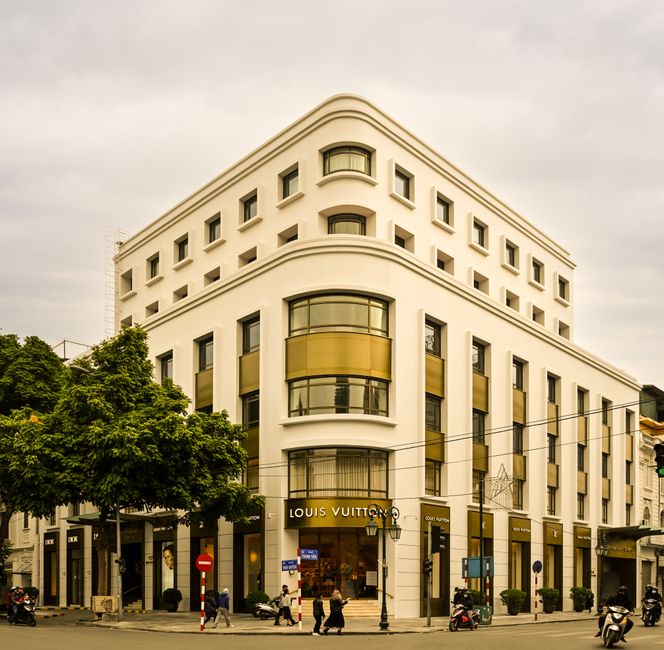
Yeoksam for budget business hotels and subway access
Yeoksam Station (역삼역) on Line 2 sits between Gangnam Station and Samsung Station, in a zone dominated by mid-rise office buildings, small IT companies and budget to mid-range business hotels. This is the least tourist-oriented part of Gangnam, but also the most affordable. Hotel rates typically range from 70,000 KRW to 130,000 KRW per night, noticeably cheaper than Apgujeong or COEX for comparable room size and cleanliness. The trade-off is minimal street appeal: Yeoksam is functional, not scenic. There are no major attractions, parks or shopping streets within walking distance, and the neighbourhood is quiet after office hours. What it offers is straightforward subway access on Line 2, which circles central Seoul and connects to nearly every major tourist area with at most one transfer. If you plan to spend your days elsewhere in the city and only need a clean, safe, affordable room to sleep in, Yeoksam is a practical choice. The station area has plenty of convenience stores, chain restaurants, casual Korean barbecue spots and 24-hour coffee shops serving office workers, so eating and picking up supplies is easy. English menus are less common than in Sinsa or COEX, but convenience-store staff and hotel front desks generally manage basic English, and you can point to menu pictures or use a translation app. If you are travelling solo or as a couple on a mid-range budget, not interested in nightlife or boutique shopping, and prioritising sightseeing time in other parts of Seoul over the character of your accommodation neighbourhood, Yeoksam delivers the best value in Gangnam. If you want atmosphere, walking interest or proximity to specific sights, choose one of the other four areas.
Getting to the rest of Seoul from Gangnam
Gangnam is well connected, but distances within Seoul are real, and subway rides to major sights can take 30 to 50 minutes depending on transfers. From any Gangnam station, the base subway fare is 1,550 KRW with a T-money card or 1,650 KRW for a single-journey ticket for the first 10 kilometres, with distance surcharges added for longer trips. A rechargeable T-money card (티머니) costs roughly 2,500-4,000 KRW to buy at any convenience store or subway station kiosk, and you load it with cash or card at the machines. The card itself is not refundable, but the remaining balance is. You will save time and avoid the single-ticket vending process on every trip, so buy one on arrival. Line 2 is the backbone: it circles central Seoul and connects Gangnam Station, Yeoksam, Samsung Station, and continues north to City Hall, Dongdaemun History and Culture Park, Hongdae and more. Express Line 9 stops at Sinsa (Garosu-gil), Apgujeong Rodeo, Bongeunsa and Samsung, and runs west to Yeouido, Noryangjin, Seoul Station and Gimpo Airport, cutting travel time by 5 to 15 minutes compared to the all-stops lines. Google Maps shows subway routes but not walking or driving directions in South Korea, so download Naver Map or KakaoMap for door-to-door navigation; both have English interfaces. To reach Gyeongbokgung Palace (경복궁) from Gangnam Station, take Line 2 to Euljiro 1-ga, transfer to Line 3 toward Daehwa, and get off at Gyeongbokgung Station, total time around 35 minutes. To Myeongdong (명동), take Line 2 to Euljiro 1-ga and transfer to Line 4, about 25 minutes. To Hongdae (홍대), ride Line 2 direct, roughly 35 minutes. To Itaewon (이태원), take Line 2 to Samseong, transfer to the Shinbundang Line to Express Bus Terminal, then transfer to Line 3, or take Line 2 to Euljiro 1-ga and transfer to Line 4 to Samgakji then Line 6 to Itaewon, both about 35-40 minutes with walking between platforms. Taxis are metered, widely available, and accept card, but traffic in Gangnam is heavy during morning and evening rush hours. The subway is faster and more predictable for cross-city trips.

What you can do on foot in each area
If you stay around Gangnam Station, walking options are limited to commercial streets, chain restaurants and shopping. The station itself is surrounded by exits leading to busy intersections; there are no parks, traditional markets or historic sites nearby. You can walk south toward Seonjeongneung Station (선정릉역) on Line 9 in about 15 minutes to visit Seolleung and Jeongneung Royal Tombs (선릉과 정릉), a UNESCO World Heritage site with two Joseon-era royal burial mounds set in a forested park, open roughly from 06:00 to 18:00 or 21:00 depending on season, with entry around 1,000 KRW; check the Cultural Heritage Administration site for exact hours. Otherwise, plan to take transit. In Sinsa, you can walk the full length of Garosu-gil (가로수길), explore the side streets east into Apgujeong for quieter cafes, and continue north across the Han River on foot via Banpo Bridge to reach the Banpo Hangang Park (반포한강공원) and the Rainbow Fountain evening show in warmer months, though the walk is about 2 kilometres from Sinsa Station. The neighbourhood rewards slow mornings and afternoon browsing. Apgujeong and Cheongdam are primarily for shopping and dining; you can walk Apgujeong Rodeo Street and the Cheongdam luxury zone, but these are not sightseeing walks. The COEX zone offers Bongeunsa temple (봉은사) immediately adjacent, the Starfield Library inside the mall, and the COEX Aquarium if you want an indoor activity. The temple is active, free to enter, and holds morning and evening chanting sessions; visitors are welcome to observe quietly. The surrounding streets are corporate, not walkable in a tourism sense. Yeoksam has almost nothing within walking distance for visitors; it is a place to sleep and commute from. For traditional markets, palaces and older Seoul character, you will leave Gangnam entirely. Gangnam itself is modern, planned and commercially focused, not a base for heritage tourism.

Comparing five Gangnam sub-areas for foreign visitors
| Area | Subway lines | Typical hotel rate per night | Walking appeal | Best for |
|---|---|---|---|---|
| Gangnam Station | Line 2, Shinbundang | 90,000-150,000 KRW | Low: commercial high-rises | Transit hub, late food, efficiency |
| Sinsa / Garosu-gil | Line 3, Line 9 express | 100,000-180,000 KRW | High: tree-lined cafes and boutiques | Atmosphere, walking, younger vibe |
| Apgujeong / Cheongdam | Line 3, Line 7 | 160,000-300,000+ KRW | Medium: luxury retail streets | Upscale stay, quiet, premium shopping |
| COEX / Samsung | Line 2, Line 9 express | 140,000-250,000+ KRW | Medium: mall and temple | Conferences, indoor amenities, reliability |
| Yeoksam | Line 2 | 70,000-130,000 KRW | Low: office district | Budget base, no-frills, transit access |
Practical tips
Frequently asked questions
Before you go
Choose Sinsa and Garosu-gil if you value walking, cafes and street atmosphere. Choose Gangnam Station or Yeoksam if you want a functional transit hub and lower prices. Choose COEX if you are attending events or want indoor amenities and a major mall on your doorstep. Choose Apgujeong only if budget is not a constraint and you prefer quiet luxury over convenience. Gangnam is not where Seoul's palaces and traditional neighbourhoods are, so plan your itinerary and subway times accordingly, and download Naver Map before you arrive.


Comments
Post a Comment